Well Pump & Pressure Tank Service
Pressure tanks, switches, control boxes and pumps, diagnosed cheapest-first.
See details →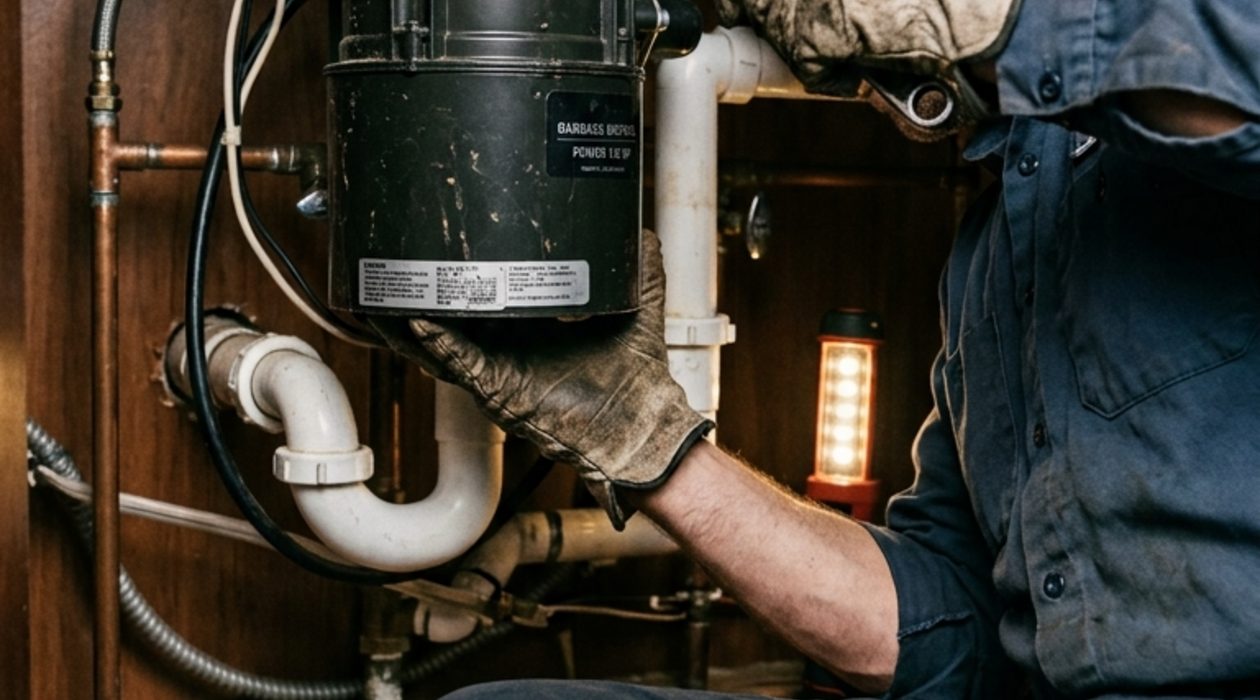
A small town with a mix of municipal and private water, in ground that stays wetter than most of the county.
(970) 973-0235Gilcrest is small enough that properties a few hundred yards apart can be on entirely different arrangements. Some are on the town system. Some are on private wells. Some acreages just outside are on wells with septic. The first useful thing to establish is which you are, because almost every subsequent answer depends on it.
If you are on the town system, your concerns are the ordinary ones for older small-town housing: galvanized supply narrowing from the inside, clay or early cast iron laterals, and original fixtures and shutoffs that are decades past their intended life.
If you are on a well, you own the entire water system: pump, pressure tank, switch, wiring, treatment. The failures are different, the diagnostics are different, and there is no utility to call.
One thing applies either way: this is low ground near the Platte, and groundwater is a factor for anything below grade. Sump pumps work harder here than they do a few miles up the hill, and basement moisture is common enough that distinguishing it from a plumbing leak is a routine part of the job rather than an unusual one.
Well or municipal, it changes the diagnosis.
Well systems have fewer components than people assume, and the failures concentrate in a handful of places.
The pressure tank is the most common. It holds an air cushion so the pump does not start for every tap; when the bladder fails the tank waterlogs and the pump cycles on and off every few seconds under load. That rapid cycling is the classic symptom, and each cycle is a start-up load on a motor that is expensive to replace.
The pressure switch sets cut-in and cut-out, and it fails often enough to be worth checking before anything else. It is inexpensive.
The control box, on three-wire systems, holds a start capacitor that fails and produces a dead system that looks exactly like a dead pump.
The pump itself usually lasts a long time and should be the last suspect, not the first. Pulling a pump that was never the problem is an expensive way to learn the diagnostic order.
Add a water test to any well visit. In agricultural south Weld, hardness, iron and nitrates are all realistic findings, and nitrates in particular are a genuine health matter that no softener or carbon filter removes.
Diagnosed in order, with a water test if you want one.
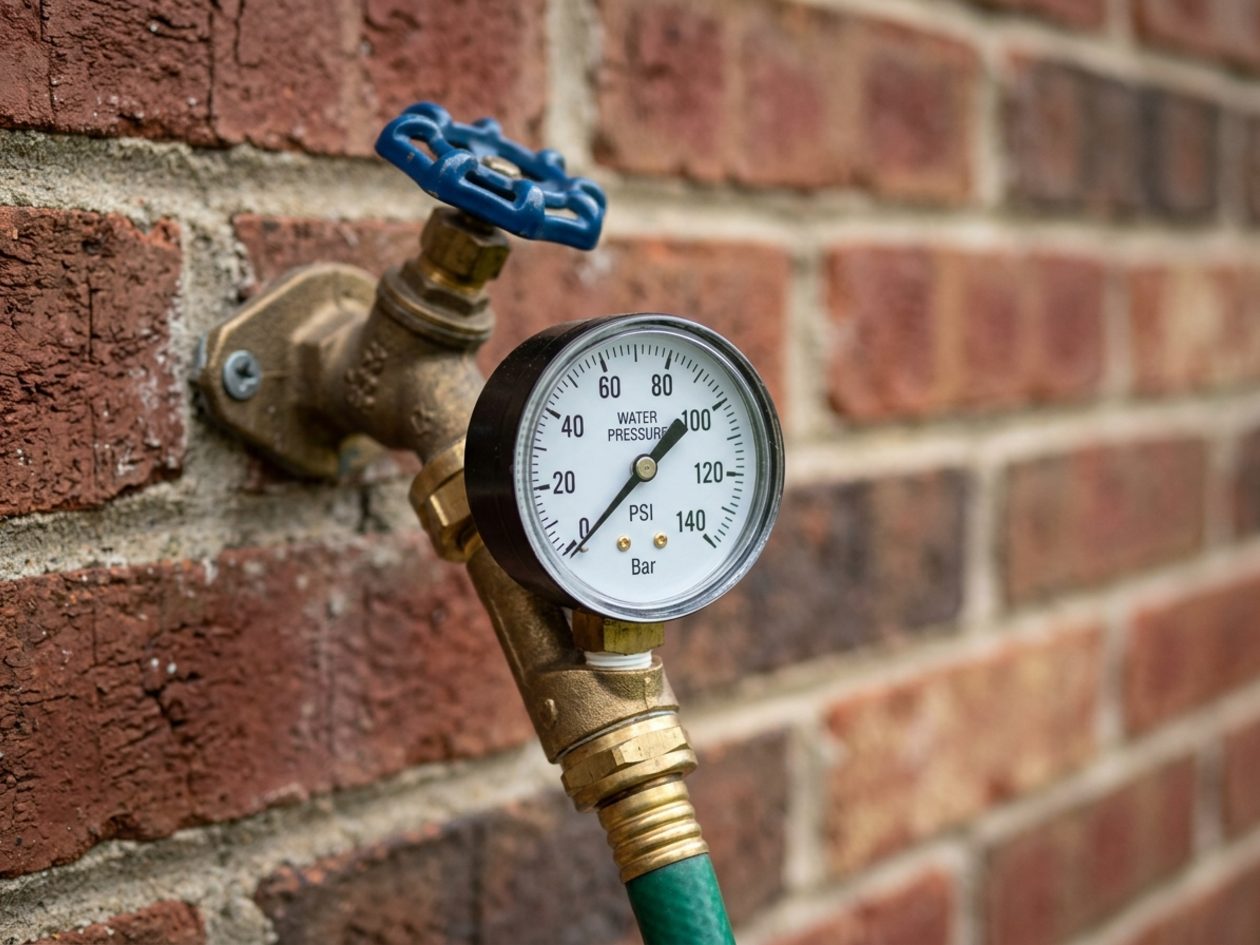 Cheapest firstSwitch, control box, wiring, tank, then pump. In that order, every time.
This is low ground and it behaves like it. Sump pumps here run more than the average, and that shortens their life on hours run rather than years owned. A cast iron body sheds heat better in a frequently cycling pump, a vertical float switch cannot snag on the pit wall, a check valve stops each cycle dropping the same water back into the pit, and battery backup matters because storms cause both the demand and the outage.
The recurring diagnostic question is whether a damp basement is a plumbing leak or groundwater, and it is worth being methodical because both wrong answers are expensive.
Shut every fixture and appliance and watch the water meter for twenty minutes. Movement means water is leaving the supply system. Then look at timing: groundwater tracks rain and snowmelt, a supply leak does not care about weather. Then look at the water: groundwater is muddy and earthy, a supply leak is clean, a drain leak smells of drains.
If those do not settle it, acoustic listening and pressure isolation find a supply leak without excavating, and dye testing handles the drain side. It is a short visit and it regularly prevents a large and unnecessary bill.
Methodical testing before anyone digs.
Efflorescence White mineral bloom on a wall is groundwater moving through masonry, not a pipe leak.
Because Gilcrest is a longer run than the Greeley suburbs, it pays to line jobs up: the well system checked, water tested, heater assessed, outbuildings winterized, and any fixture work that has been waiting.
One visit, one set of travel time, and a picture of the whole property rather than one component.
Pressure tanks, switches, control boxes and pumps, diagnosed cheapest-first.
See details →Duty-rated pumps and battery backup for pits in low ground.
See details →Separating a supply leak from groundwater before anyone excavates.
See details →Iron, sediment and nitrate treatment specified against a real test.
See details →Galvanized supply in older town housing, replaced properly.
See details →Freeze work on houses, outbuildings and exposed rural runs.
See details →North on the Platte, older housing and the same wet ground.
Plumbers here →South, a historic town with older infrastructure.
Plumbers here →West, growing with newer subdivisions alongside older stock.
Plumbers here →Yes, for both scheduled and emergency work. It is a longer run than the Greeley suburbs and we will give you an honest window rather than an optimistic one. Because the travel takes time either way, it is worth batching several jobs into one visit.
It varies property to property here, sometimes within the same few hundred yards. The giveaway for a well is a pressure tank somewhere in a utility room, basement or well house. If you are unsure we can establish it quickly, and it changes almost every subsequent answer.
A failed pressure tank bladder in nearly every case. The tank has waterlogged and lost the air cushion that buffers the pump, so the pump starts and stops every few seconds under load. It is hard on an expensive pump and it is a comparatively cheap repair.
Not necessarily, and the cheap causes deserve checking first: a tripped breaker, a failed pressure switch, a corroded connection, or a failed start capacitor in the control box. All produce a dead system and all cost a fraction of a pump. We diagnose in that order rather than pulling a pump on a guess.
Yes. Agricultural land use in south Weld can raise nitrate levels in shallow aquifers, and elevated nitrate is a genuine health concern, particularly for infants. Neither a water softener nor a carbon filter removes it, that needs reverse osmosis or specific anion exchange.
This is low ground close to the Platte and the water table sits higher than it does further from the river. A pump here can cycle several times an hour for months, which wears it out on hours run rather than years owned. A cast iron duty-rated pump with a vertical float is the sensible specification.
Efflorescence, mineral salts left behind as groundwater moves through masonry and evaporates on the inside face. It is evidence of moisture moving through the wall rather than a pipe leak, and it points at drainage and grading rather than plumbing.
Shut everything off and watch the water meter for twenty minutes; movement means a supply leak. Then look at timing, because groundwater follows rain and snowmelt while a supply leak is constant. Then look at the water: groundwater is muddy and earthy, a supply leak is clean.
We handle the house side: the building drain, the line to the tank, blockages and backups. Tank pumping and drainfield work belong to a septic contractor, and we will tell you plainly when that is what you need rather than charging you to discover it.
Yes, including propane units and installations needing non-standard venting, which are common on rural properties. We size it correctly for the household, vent it properly, and fit new shutoffs and connections rather than reusing tired ones.
Longer run, batch your jobs into one visit if you can.
Well systems, sump work, leak detection and freeze repair around Gilcrest.
(970) 973-0235Answered 24 hours a day, seven days a week, every week of the year.