Sewer Camera Inspection
The inspection that settles whether a seasonal backup is roots, infiltration or a belly.
See details →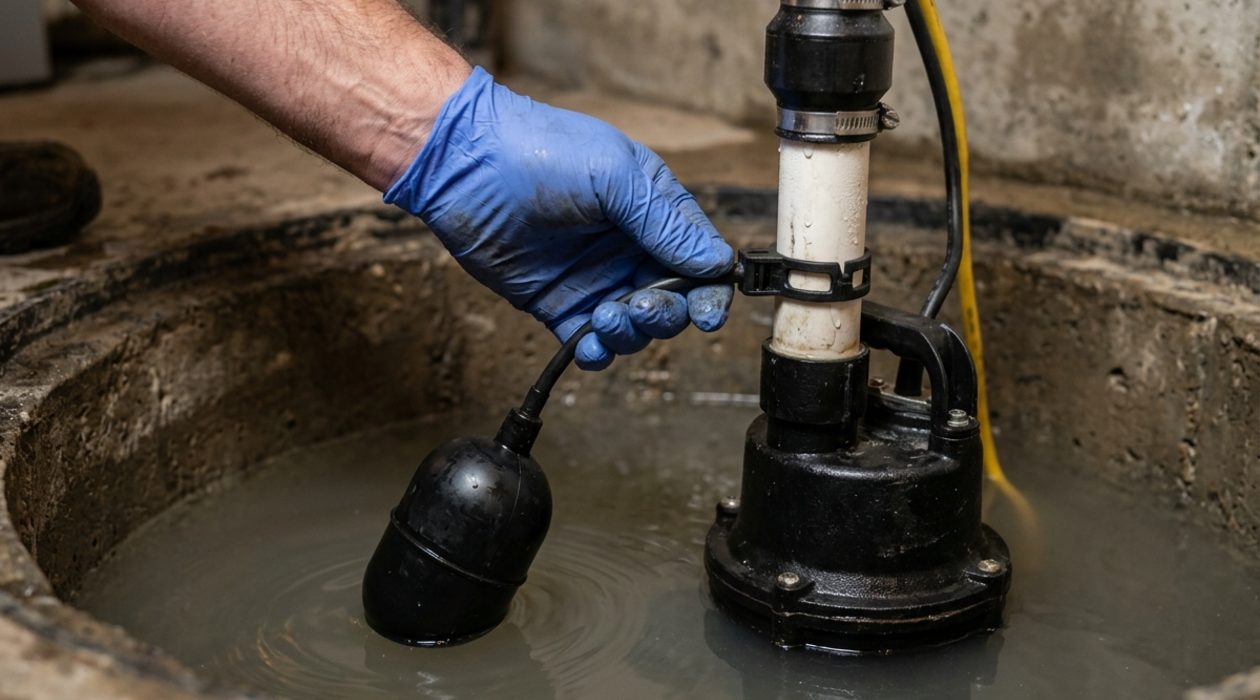
South Weld on the South Platte. Older housing, clay laterals and a water table that makes every below-grade problem worse.
(970) 973-0235La Salle sits on the South Platte, and the two facts that shape plumbing here are the age of the housing and the height of the water table. Separately each is manageable. Together they compound.
The housing skews old: a substantial share pre-war and mid-century, which means clay sewer laterals, galvanized supply, and cast iron stacks deep into their service life. Clay laterals are jointed every few feet and those joints are where trouble enters.
The wet ground is what turns that from a slow decline into an active problem. Saturated soil moves more, which encourages joint offsets. It puts groundwater directly against every joint, which means infiltration, groundwater entering the sewer line and adding continuous flow that the pipe was never sized to carry. And it feeds roots straight to the same joints.
The characteristic symptom is seasonal. A lateral that behaves perfectly in August backs up in May. People and some contractors read that as intermittent and unpredictable; it is neither. It is a line taking on groundwater, and it only reveals itself when the ground is wet.
The other consequence is below-grade water generally: sump pumps that run hard, basement moisture, and the recurring difficulty of telling a plumbing leak from groundwater.
A line that fails in May and behaves in August is taking on groundwater.
On a property with an older lateral in wet ground, a camera inspection is the only honest basis for any recommendation, and it answers three separate questions.
Is the pipe intact? Cracks, fractures and missing sections are visible directly. So are offsets, where two sections of clay have shifted out of alignment and now catch solids on the lip.
Is it holding water? A bellied section, where the pipe has sagged and now holds standing water rather than draining, is the single most common cause of repeat blockages that nobody can explain. It is only findable with a camera, and no amount of cabling fixes it.
Where is groundwater entering? Active infiltration is visible as water running in through a joint when it should be dry.
What a camera does not do is tell you what a repair costs without also locating the problem, which is why we locate depth and position at the same time. Knowing a fault is thirty-eight feet out at four feet deep under a driveway is a completely different quote from thirty-eight feet out at four feet deep under lawn.
The honest outcomes range from a maintenance schedule to a liner to a full replacement, and we would rather show you footage than describe it.
Footage, location, depth and written findings.
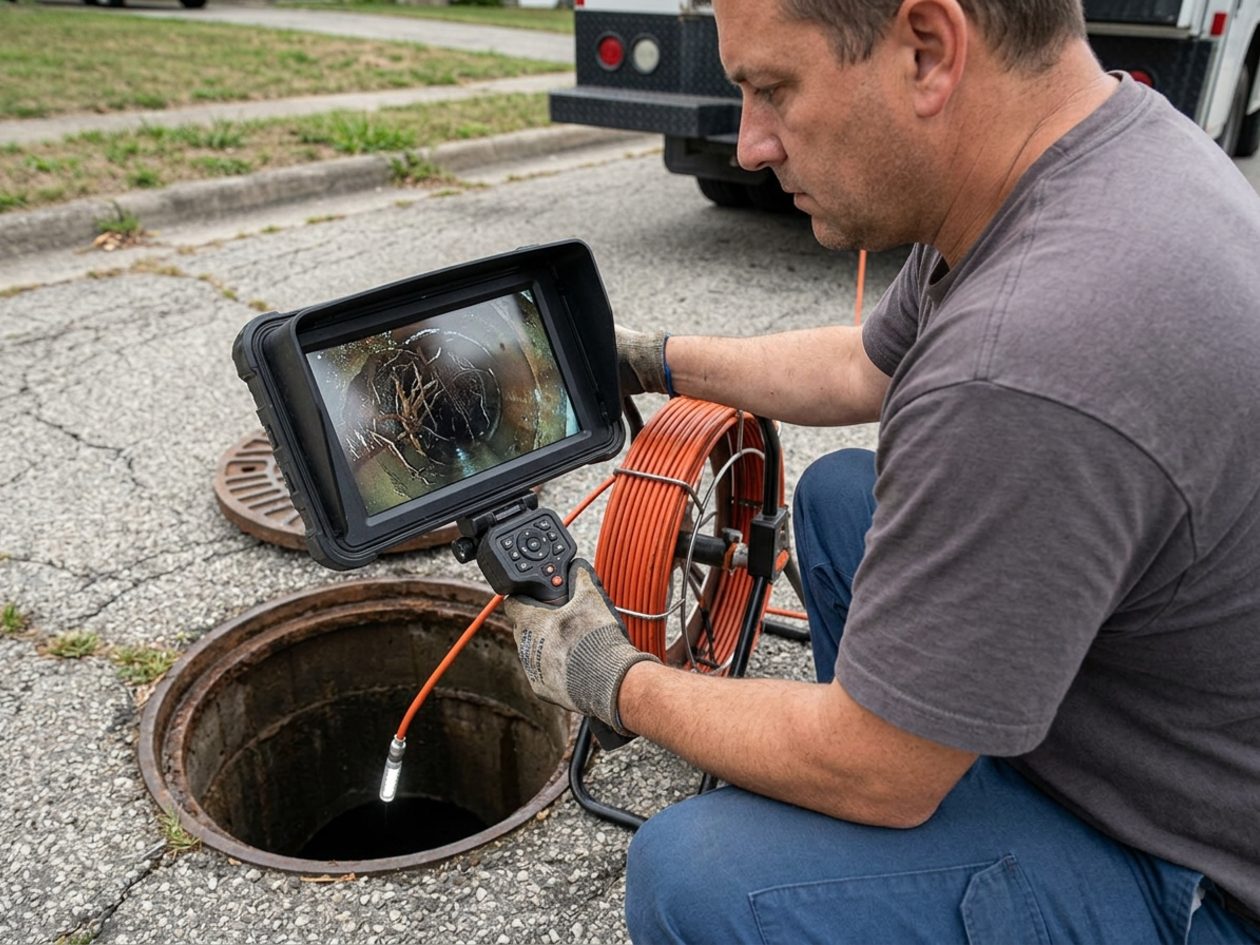 Bellied sectionsA sagging pipe holding standing water is the usual cause of unexplained repeat blockages. Only a camera finds it.
Any below-grade space in La Salle is working against groundwater rather than occasional water, and that means sump pumps here work for a living. A pump specified for intermittent duty and cycling several times an hour for months will not reach the service life on the box.
What holds up: a cast iron body, which sheds heat far better than plastic in a frequently cycling pump; a vertical float or solid-state switch rather than a tethered float that can snag on the pit wall; a check valve on the discharge so each cycle does not drop the same water back into the pit; and battery backup, because storms cause both the demand and the outages.
The other recurring job is diagnostic. In a house that is damp anyway, telling a plumbing leak from groundwater is genuinely hard and getting it wrong is expensive either way.
The sequence that works: shut everything off and watch the water meter for twenty minutes, movement means a supply leak. Then check timing, because groundwater tracks rain and snowmelt while a supply leak is indifferent to weather. Then look at the water: groundwater is muddy and smells of earth, a supply leak is clean, a drain leak smells of drains.
When those do not settle it, acoustic listening and pressure isolation locate a supply leak without digging.
Testing before anyone excavates anything.
Duty, not age A pump cycling hourly for months wears out on hours run, not years owned.
La Salle is one of the closer towns we cover and emergency response is genuinely quick. If sewage is coming into a basement, stop all water use in the house, keep people out of the area, and call; that is a 2am call, not a morning one.
For scheduled work, tell us whether you are near the river bottom. It changes what we look at first.
The inspection that settles whether a seasonal backup is roots, infiltration or a belly.
See details →Lateral repair and replacement when the footage justifies it.
See details →Lining and pipe bursting that avoids trenching an established yard.
See details →Pits that run most of the year need duty-rated pumps and a backup that actually starts.
See details →Separating a supply leak from groundwater before anyone digs.
See details →Basement sewage backups, answered around the clock.
See details →Groundwater infiltration into an older lateral. In saturated ground, water enters through joints and cracks and adds continuous flow to a pipe that may already be partly restricted. In dry months the line copes; when the water table rises it is overwhelmed. It is a specific, findable cause rather than bad luck.
A section that has sagged so it holds standing water instead of draining. Solids settle in the standing water and build into blockages that recur no matter how often the line is cabled. It is only findable with a camera, and cabling cannot fix it, the pipe itself has to be corrected.
On an older lateral in wet ground, yes, because it is the only honest basis for any recommendation. It shows whether the pipe is intact, whether it is holding water, and where groundwater is getting in. It also lets us locate the depth and position of a fault, which is what actually determines repair cost.
Often. Trenchless lining and pipe bursting work from access pits rather than an open trench. Whether your line is a candidate depends on its condition and layout, which the camera establishes. A collapsed section may need a dig, and we will tell you plainly if so.
Less than the general seven-to-ten-year figure, because pumps in this ground cycle far more than average. A cast iron duty-rated pump with a vertical float switch is the right specification, and it costs less over a decade than replacing cheap pumps repeatedly.
Start at the meter: shut everything off and watch it for twenty minutes, movement means a supply leak. Then check timing, since groundwater tracks rain and snowmelt while a supply leak is constant. Then look at the water itself: groundwater is muddy and earthy, a supply leak is clean.
If the basement is finished, yes. The storms that make the pump work hardest are the same storms that cut the power, and a busy pit floods within hours rather than days once the pump stops. It is the most cost-effective protection available for a below-grade room.
Stop using water anywhere in the house immediately, every flush adds to it. Keep people and pets out of the area; it is a genuine health hazard rather than just a mess. Then call. We answer overnight and La Salle is a short run, so make the call rather than waiting for morning.
Quite possibly, in a house of this era. Look at exposed lines in the basement: galvanized steel is dull gray, magnetic, and threaded at the fittings. Brown water after the house sits unused, weak upstairs pressure, and flow that collapses when a second tap opens are the functional signs.
It is worth serious consideration if your basement is finished, if you have backed up before, or if you are low relative to the main. It is a one-way flap in the lateral that closes when flow reverses. Installation means cutting the basement floor, so it is best planned alongside other work.
Seasonal backups have a specific cause. We can find it.
Camera inspections, sewer repair, sump work and leak detection in La Salle.
(970) 973-0235Answered 24 hours a day, seven days a week, every week of the year.