Isolate the supply
The irrigation isolation valve is closed and the system depressurized before any air goes in. Blowing air into a pressurized line accomplishes nothing and stresses fittings.
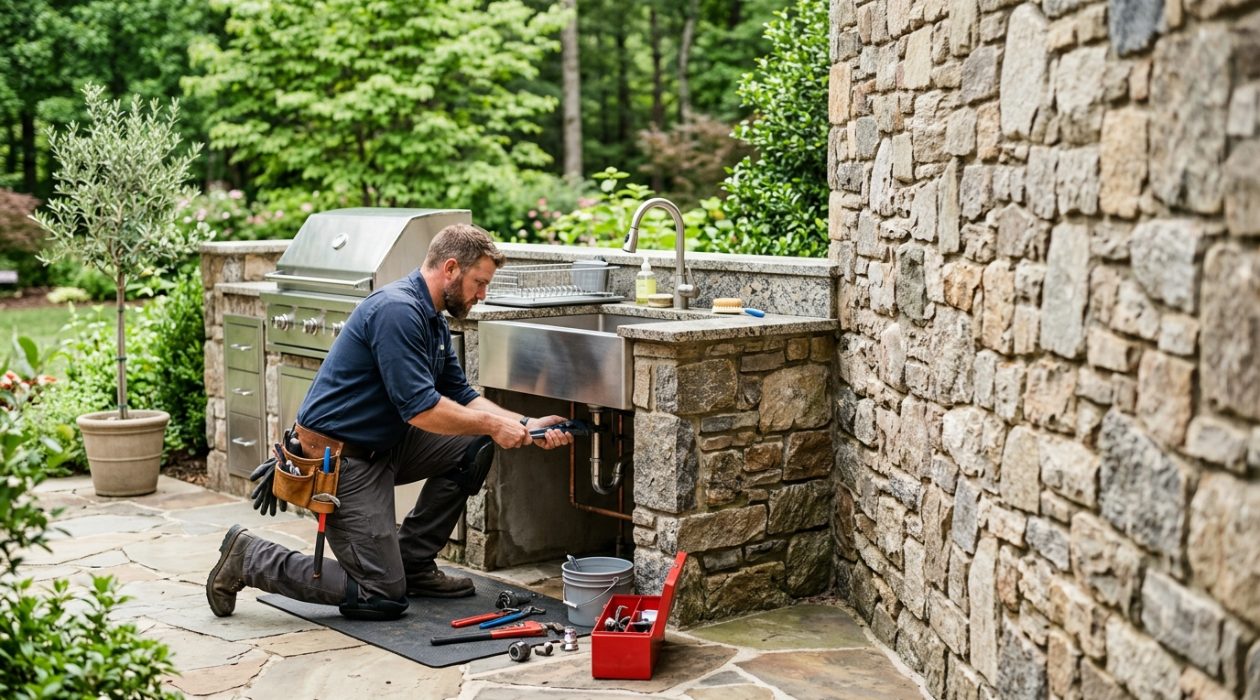
Water left in an irrigation line freezes, expands and splits it: usually at the backflow assembly, which is the most expensive part of the system. A blowout takes under an hour and is the cheapest insurance in your yard.
(970) 973-0235Along the Front Range the first hard freeze regularly arrives in the first half of October, and it does not wait for a convenient weekend. It can also arrive weeks earlier than average. The practical rule is to have the system blown out by the end of September and to accept that you are giving up a couple of weeks of watering rather than gambling a backflow assembly on the forecast.
If a freeze catches you before the appointment, shut the irrigation water off at the isolation valve, open the backflow test cocks and manually drain what you can. It is not a substitute for a blowout, but it takes the pressure out of the most vulnerable component.
Irrigation damage is predictable enough that you can rank it by cost before winter starts. Knowing the order tells you why a blowout is worth booking rather than deferring.
The backflow preventer is the expensive one. It sits above ground, it is made of brass with an internal assembly of poppets and springs, and it holds water in a body that has nowhere to drain. Freeze it and the brass cracks, not a seal, the casting. Replacement means a new assembly plus a fresh test, and on many properties it is the single most costly component in the whole system. It is also the first thing to fail, because it is the most exposed.
The above-ground pipework and valves come next. Anything in a valve box near the surface, any riser, any section that runs shallow through a hard-packed area. PVC splits lengthwise when the water in it expands, and the split is often not obvious until spring, when you turn the system on and one zone floods a flowerbed.
Sprinkler heads and lateral lines are the cheap casualties. Heads crack at the body or the internal seal fails, so they weep continuously once the system is repressurized. Individually inexpensive, but a dozen of them across a large yard adds up, and each one is a separate small excavation in your lawn.
The controller and wiring survive freezing but not water. A cracked valve or a flooded box that then freezes and thaws repeatedly is what kills solenoids and corrodes wire splices. Those faults present in spring as a zone that will not open, and they are frustrating to chase.
Set against all of that, a blowout is a single short appointment. The economics are not close, which is why irrigation contractors book solid through late September.
Give us your zone count and we will give you a time before the freeze.
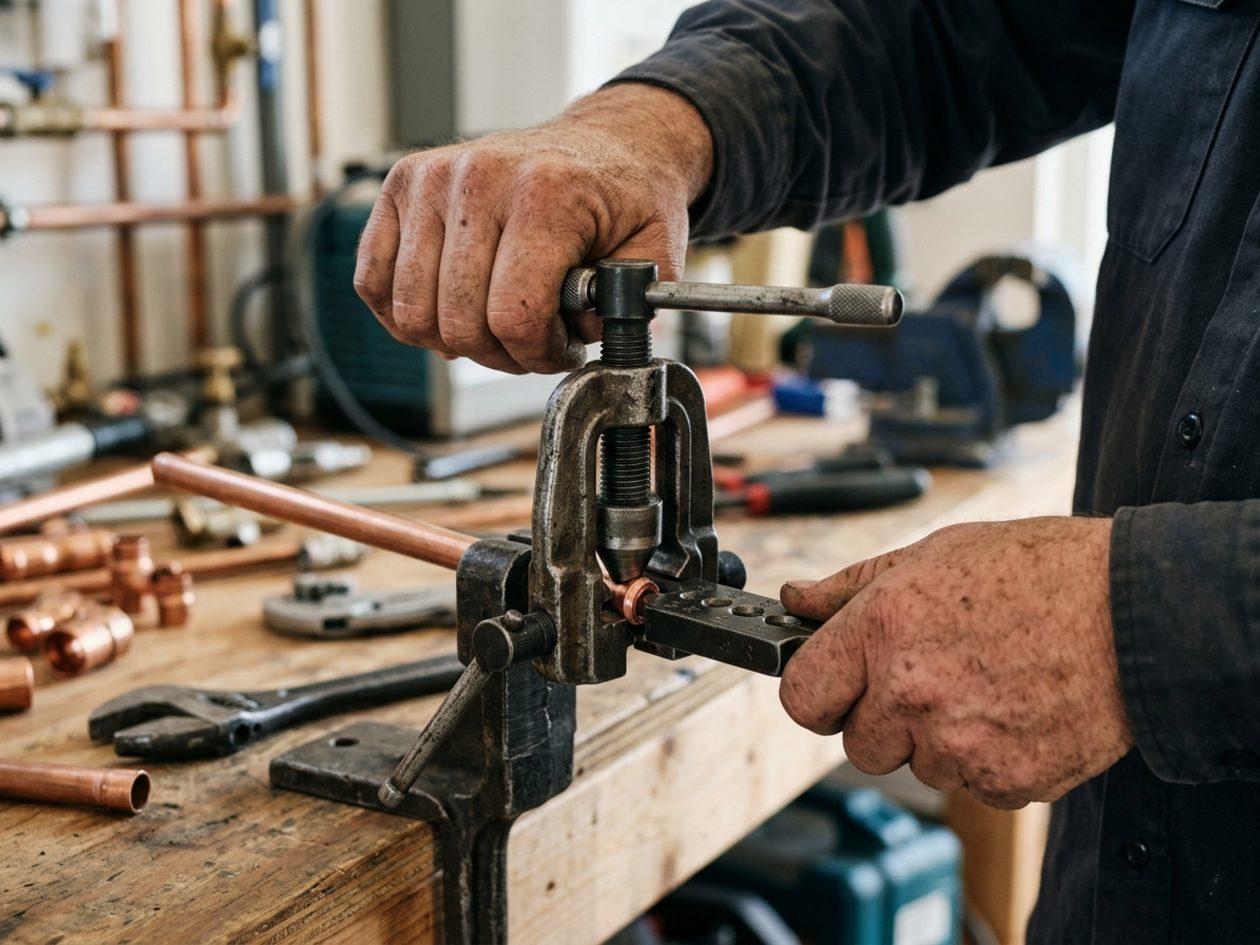 The expensive casualtyA cracked backflow casting, not a failed seal
Compressed air pushed through a system is capable of doing damage if the operator gets it wrong. The pressure and the method matter, and this is worth understanding whether you hire someone or attempt it yourself.
The irrigation isolation valve is closed and the system depressurized before any air goes in. Blowing air into a pressurized line accomplishes nothing and stresses fittings.
Test cocks are opened and the assembly drained by hand. Air alone does not reliably clear a backflow body, and this is the component you least want to leave wet.
A large compressor at modest pressure clears a line. A small compressor at high pressure does not, and high pressure through a dry line is what melts gears in a rotor head.
Each zone is opened individually and run until it discharges mist rather than water. Working from the furthest zone back means earlier zones are not repressurized behind you.
A zone is run in short bursts rather than continuously. Sustained dry air spinning a rotor generates heat with no water to cool it, which is how heads are destroyed during a blowout.
The controller is set to off or rain mode, test cocks left partly open, and the isolation valve left closed. Anything that traps water is left with a way out.
A homeowner with a genuinely large compressor can winterize a small system, and for a two or three zone yard it is a reasonable Saturday job. The reason we are candid about this is that the failures are specific and worth naming.
The equipment is the first limit. This is a volume job, not a pressure job, the small compressor most people own can push pressure but cannot move enough air to carry water down a long lateral. It clears the first few feet, mists briefly, and leaves the rest of the line wet, which is the outcome you were trying to avoid. Renting a proper compressor for the day is the honest minimum.
The second limit is pressure discipline. It is genuinely easy to destroy a set of rotor heads by running dry air through them too long or too hard, and the damage is invisible until spring. Short bursts, moderate pressure, and stopping as soon as a zone runs to mist is the discipline required, and it is less satisfying than it sounds.
The third is the backflow assembly, and this is where we would push back on doing it alone. It needs to be manually drained rather than blown, it is the costliest thing in the system, and in many jurisdictions it must be tested on reactivation by someone the district accepts anyway. If you are going to have someone out in spring regardless, the marginal cost of having the blowout done properly is small.
And a safety note that gets skipped: compressed air in an irrigation system is genuinely dangerous. Keep your face away from heads and open valves, wear eye protection, never exceed the pressure the pipe material is rated for, and do not stand over a valve box while a zone is discharging. Fittings do let go.
Reactivation causes more damage than winterization, and almost always for the same reason: the system is filled too fast. A dry irrigation network refilled at full main pressure produces a surge that finds every weak fitting at once.
Wait until the hard freezes are genuinely finished, which along the Front Range often means well into May rather than the first warm week of April. A late freeze on a charged system undoes the whole winter.
Open the isolation valve slowly: a quarter turn, then wait for the hiss to stop, then a little more. Filling a large system should take several minutes, not several seconds. Close the backflow test cocks first so you are not filling into open air.
Then run every zone manually and watch it, which is the step people skip. You are looking for heads that do not pop up, heads that weep at the base, geysers where a head has snapped off, dry patches indicating a broken lateral, and any wet spot that appears with no head near it. Winter damage shows up in the first five minutes of the first run, and finding it while you are standing there is far better than discovering it from a water bill.
Finally, check the backflow assembly for weeping and have it tested if your jurisdiction requires it. Reprogram the controller for the season and replace its backup battery while you are in there.
We will run every zone with you and show you what winter did.
Winter shows up in five minutes Run every zone and watch it before the season starts
The other outdoor freeze casualty, and the one that floods a crawl space.
See details →When the freeze reaches indoor plumbing instead.
See details →Testing, and repair when the assembly did not survive.
See details →Spring reactivation, and fixing what winter broke.
See details →Buried supply pipe, including the irrigation feed.
See details →If a freeze already split something and water is running.
See details →Almost every lot has irrigation, and everyone books the same fortnight.
Area details →Large zoned systems that take longer than a standard visit.
Area details →New systems on new lots, with owners doing this for the first time.
Area details →Backflow assemblies above grade, which crack before the lateral lines do.
Area details →Not on the list? We cover Greeley, Weld County and the northern Front Range, see every service area.
Aim for the second half of September, and treat the end of the month as the deadline. The first hard freeze along the Front Range regularly lands in the first half of October and can arrive earlier without much warning. Waiting for the forecast is a poor strategy because irrigation contractors book solid in the last two weeks before a freeze, so the appointment you want may not be available when you finally decide you need it. The cost of blowing out two weeks early is a little less lawn watering in a month when the grass is going dormant anyway. The cost of being two days late is a cracked backflow assembly.
It depends on how your system was installed. A system with properly placed manual or automatic drain valves at every low point, on ground with reliable fall, can in principle be drained. Very few residential systems here actually meet that description, and even those retain water in the backflow assembly and in any section that has settled over the years. Compressed air clears what gravity cannot reach, which is why it is the standard method in a climate that freezes hard. If you are unsure which kind of system you have, that is itself a reason to have someone look at it once.
It is priced by zone count and system complexity, and it is one of the least expensive appointments in plumbing. What moves it is the number of zones, whether the compressor has to be moved around a large or awkward property, and whether the backflow assembly needs draining and testing at the same time. Ask whether the quote includes the backflow, since that is the component you most want handled properly. Compare the figure against replacing a cracked backflow assembly and the decision makes itself.
Only if it moves enough air. This is a volume job rather than a pressure job, and the compact compressor most homeowners own cannot sustain the airflow needed to carry water down a long lateral line. It will clear the first stretch, produce a satisfying mist, and leave the rest of the zone wet. If you want to do it yourself, rent a proper compressor for the day, run each zone in short bursts at moderate pressure, and stop as soon as the discharge turns to mist. Running dry air through a rotor head for too long generates heat with nothing to cool it and destroys the internal gears.
Shut the irrigation isolation valve immediately, open the backflow test cocks, and drain whatever you can reach by hand. That takes the pressure off the most expensive component and gives expanding ice somewhere to go. Then leave it and book a blowout rather than turning the system on to check for damage, repressurizing a line that has a hidden split turns a small crack into a flooded yard. A missed winterization does not automatically mean damage, particularly after a brief overnight freeze, but it does mean the system should be checked before it is charged again.
The backflow preventer, by a wide margin. It sits above ground, it is a brass casting with an internal assembly, and it holds water that has nowhere to drain. When that water freezes, the casting cracks rather than a seal failing, so the fix is a replacement assembly plus a fresh test. After that come above-ground pipework and valves in shallow boxes, then sprinkler heads, which crack at the body and weep once the system is repressurized. Controllers and wiring survive cold fine, but not the repeated flooding and freezing that a cracked valve produces.
It should be, and you should confirm it is. The assembly needs to be drained manually through its test cocks rather than simply blown through, and the test cocks should be left partly open over winter so nothing can be trapped inside. Ask specifically whether draining the backflow is included, because it is the highest-value part of the visit. In many jurisdictions the assembly also has to be tested by a backflow tester when the system is reactivated, so it is worth asking about that at the same time.
Yes. After the blowout, the dedicated irrigation isolation valve stays closed all winter, which is what guarantees the system cannot be accidentally recharged during a warm spell. The controller should be switched to off rather than left running a schedule, and if it has a rain-delay or seasonal-off mode, that is the correct setting. Leave the backflow test cocks partly open, and if any manual drain valves exist, leave them open too. The principle is simple: nothing in the system should be able to hold water.
Wait until hard freezes are genuinely finished, which here often means well into May rather than the first warm stretch in April. A late freeze on a charged system undoes the entire winter of caution. When you do reactivate, open the isolation valve slowly: a quarter turn, wait for the sound of filling to stop, then a little more. Filling a large system should take minutes rather than seconds, because a dry network filled at full main pressure produces a surge that finds every weak fitting at once. Close the backflow test cocks before you start.
Run every zone manually and stand there watching it, which is the step almost everyone skips. Winter damage shows itself in the first few minutes: heads that do not rise, heads weeping at the base, a geyser where one has snapped off, dry patches suggesting a broken lateral, and wet spots appearing where no head is installed. Check the backflow assembly for weeping at the same time. Finding a fault while you are standing in the yard is far better than discovering it later from a water bill, and most of what winter breaks is inexpensive to fix if you catch it before the system runs unattended all summer.
Tell us your zone count and whether you have a backflow assembly above ground.
Sprinkler blowout and winterization across Greeley, Evans, Windsor and Weld County.
(970) 973-0235Answered 24 hours a day, seven days a week, every week of the year.