Range or cooktop
Converting from electric, or moving a range during a kitchen remodel. Needs a correctly sized run, an accessible shut-off and the right connector, and the demand checked against the rest of the house.
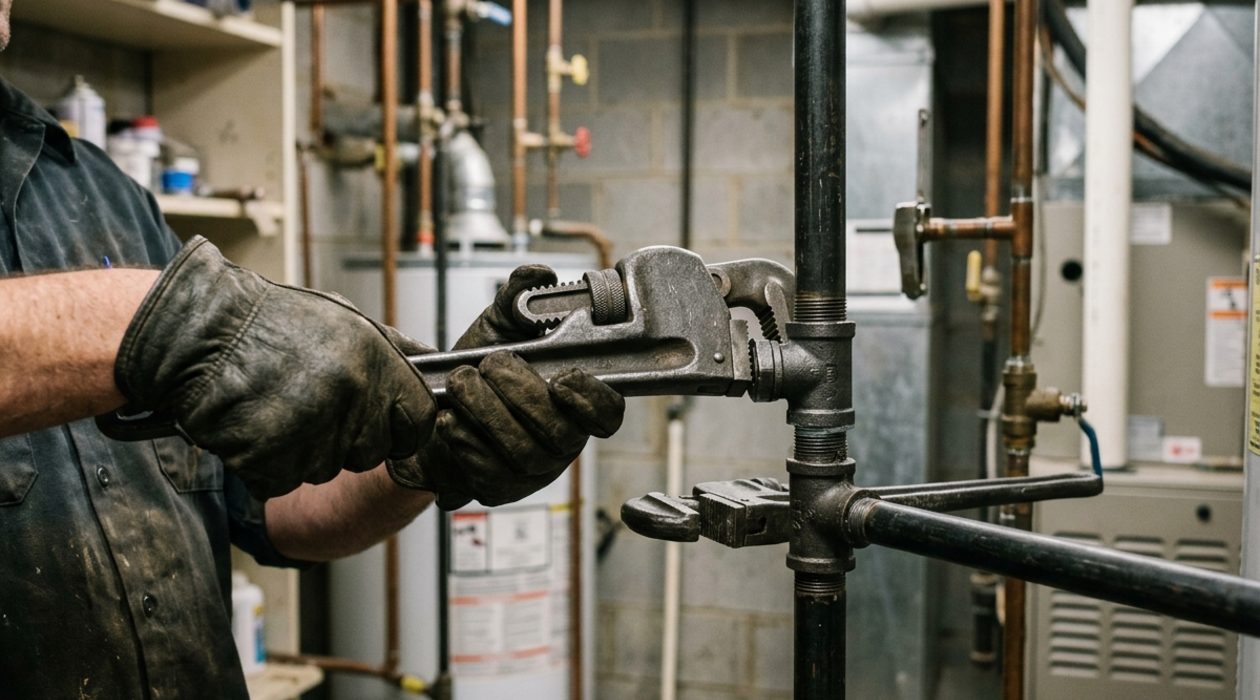
New gas runs for a range, dryer, grill or fire pit, and repairs when a line fails a test. Permitted, pressure-tested, and sized for the appliance rather than guessed at.
(970) 973-0235Leave the building. Take everyone with you and do it before anything else. Do not switch lights on or off, do not use a phone indoors, do not look for the source, and do not try to shut anything off if reaching it means walking further into the smell. Any electrical switch can produce the spark that matters.
From outside and at a distance, call your gas utility’s emergency line and then the fire department. They respond to this at no charge and they would far rather attend a false alarm than the alternative. Do not go back inside for any reason until someone with a detector tells you it is safe. Only after the utility has made the property safe does repair work, ours or anyone’s, begin.
The same trade often handles both, and the tools look similar, but the margin for error is not comparable. A water pipe that leaks makes a mess. A gas pipe that leaks fills a space with something explosive, and it does so silently apart from an odourant added specifically so that people notice. That difference drives everything about how the work is done.
Sizing is calculated, not estimated. Every appliance has an input rating, and a gas system has to deliver that volume at adequate pressure to all appliances that might run at once. The calculation accounts for total demand, the length of each run, the number of fittings and elbows, and the pressure available. Adding a high-demand appliance to a system sized years ago for less is the classic failure, and the symptom is not a leak, it is appliances that underperform, burn incorrectly or shut down when something else fires. A yellow, lazy flame where there should be a crisp blue one is a sign worth acting on.
Materials and joints are specified. Which piping is permitted, how it is supported, where it may and may not run, how it is protected where it passes through structure, and how it must be tied to the electrical grounding system are all defined rather than left to preference. Corrugated stainless tubing in particular has specific bonding requirements that exist for lightning-related reasons and are routinely missed by unqualified installers.
Every joint is pressure-tested. New or modified gas piping is isolated, pressurized and held while a gauge is watched. Not sprayed with soap and eyeballed: held under test, at a specified pressure, for a specified duration, and witnessed at inspection.
Combustion air and venting come with the appliance. Adding an appliance to a space changes what that space needs for combustion air and how exhaust leaves it. That is part of the same job, not a separate concern, and getting it wrong produces carbon monoxide rather than an obvious fault.
None of this is exotic, and it is all routine for someone qualified to do it. The point is that it is not a category of work where a competent generalist should improvise.
Tell us the appliance and its input rating and we will check your capacity.
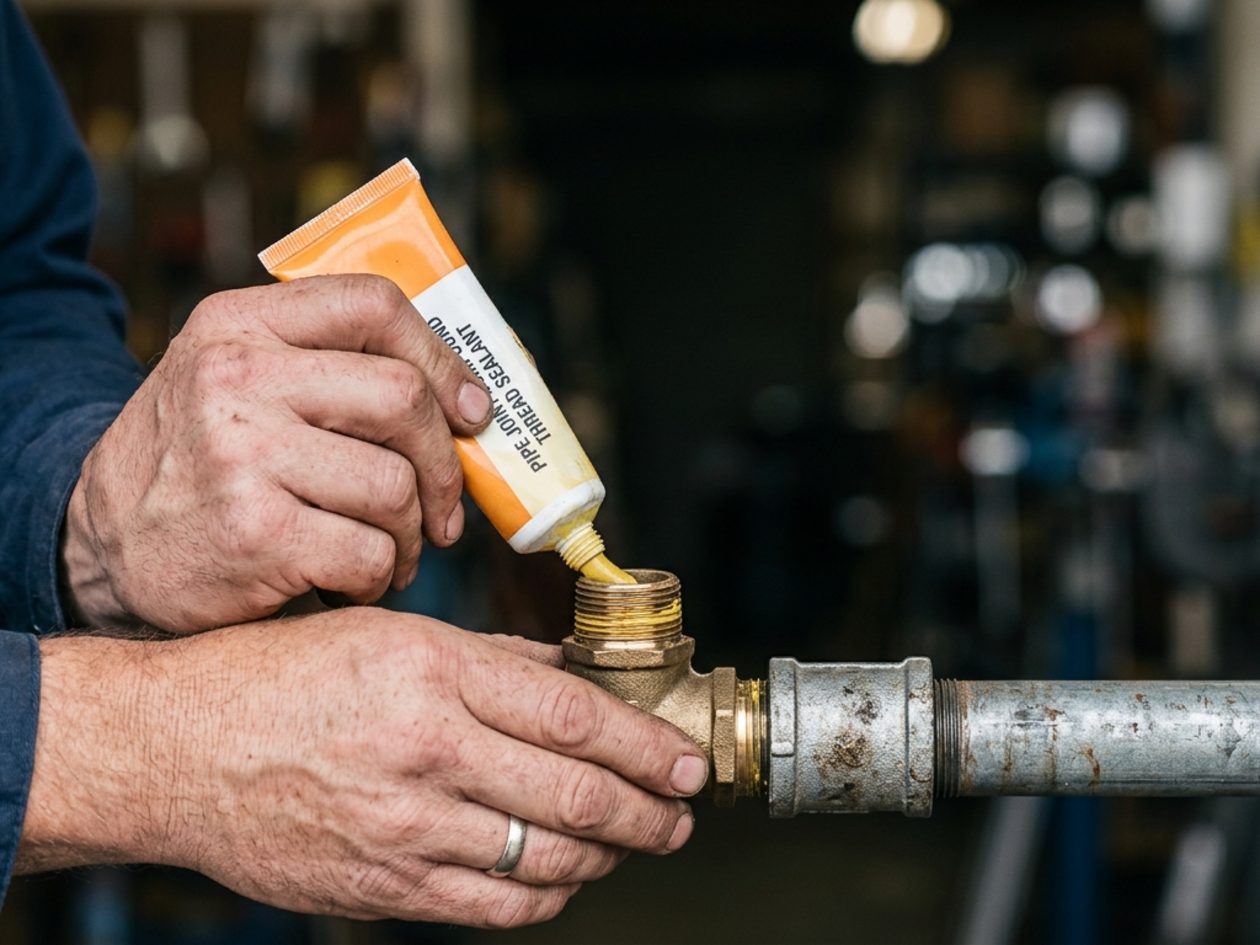 A needle that does not moveThe pass condition on every gas job we finish
Converting from electric, or moving a range during a kitchen remodel. Needs a correctly sized run, an accessible shut-off and the right connector, and the demand checked against the rest of the house.
A gas dryer conversion is a short run in most laundry rooms, but it needs its own shut-off and the venting reviewed at the same time.
Running a line outdoors so you stop refilling cylinders. Requires correctly rated pipe, proper burial depth where it goes underground, and protection where it emerges.
A detached or unheated space is a longer run and often a separate sizing calculation. Clearances and combustion air matter more here than people expect.
Removing an appliance leaves a live line. Capping it properly and testing what remains is a small job that is frequently left undone during remodels.
A utility red-tag, a failed inspection, or a persistent smell. Locating and repairing, then retesting the system before it goes back into service.
This is the one area of household plumbing where we would tell you to be inflexible about credentials, and where the cheapest quote deserves the most scrutiny.
Ask whether the work will be permitted and inspected, and expect an unambiguous yes. Gas piping is permitted work. A contractor who suggests the permit is unnecessary for a small job is asking you to carry a risk you cannot assess, and there is no version of that conversation that ends well, not at resale, not with an insurer, and certainly not if there is ever an incident.
Ask for credentials and cover, and actually look at them. Gas work carries liability that a general handyman’s policy typically does not carry. Anyone who does this work properly produces the paperwork without hesitation.
Ask how they will size the run. The answer should mention the appliance input rating, the total connected load of the house, the run length and the fittings. If the answer is that a particular pipe diameter is what they always use, that is a preference standing in for a calculation.
Ask how the system will be tested, and ask to be present. You want a pressure test at a specified pressure held for a specified period, with a gauge you can see. Watching a needle hold still for fifteen minutes is the most reassuring thing in this trade.
Ask about the appliance connection and shut-off. Every appliance needs an accessible shut-off, and connectors have ratings and lifespans. Reusing an old flexible connector on a new appliance is a common shortcut and a genuinely poor idea.
Ask what happens to the rest of the system. Modifying gas piping means the existing system is now part of a tested assembly. A thorough contractor will tell you if they find something pre-existing that needs attention rather than testing around it.
A contractor who welcomes all six questions is the one to hire. Reluctance on any of them is your answer.
Credentials, cover, load calculation and the pressure test, all on request.
Every appliance, its own shut-off Accessible, rated connector, and tested before service
Gas connection, venting and combustion air as part of the same job.
See details →Frequently needs a larger gas run than the tank it replaces.
See details →Gas-fired heating, where combustion and draft matter most.
See details →After the utility has made a property safe, the repair starts here.
See details →Pilot, burner and gas control faults on an existing tank.
See details →The other category of work where the test and the paperwork are the service.
See details →Outdoor kitchens and fire features added after the house was built.
Area details →Larger homes adding load a builder never sized the meter for.
Area details →New builds where the run exists but the appliance changed.
Area details →Acreage properties with long buried runs and no record of them.
Area details →Not on the list? We cover Greeley, Weld County and the northern Front Range, see every service area.
Leave the building immediately with everyone in it, and do it before anything else. Do not operate light switches, do not use a phone indoors, do not hunt for the source, and do not go further into the smell to reach a shut-off. Any electrical switch can provide an ignition source. From outside and well away, call your gas utility’s emergency number and then the fire department, they respond at no charge and would far rather attend a false alarm. Do not re-enter for any reason until someone with a detector confirms it is safe. Repair work of any kind comes after the utility has made the property safe.
Yes. Gas piping installation, extension and modification are permitted work, and the finished system is pressure-tested and inspected. A contractor who tells you a permit is unnecessary because the job is small is asking you to absorb a risk you have no way of evaluating, and it creates problems at resale, with insurers, and in the event of any incident. The permit fee is trivial next to the work. Treat reluctance to permit gas work as a reason to call someone else.
We would strongly advise against it, and in most jurisdictions the work requires a qualified contractor and an inspection regardless. The reason is not that the fittings are difficult but that the parts you cannot see are what matter: correct sizing for total connected load, permitted materials and supports, required electrical bonding on corrugated stainless tubing, combustion air, venting, and a proper held pressure test. Getting any of those wrong produces a hazard that gives no warning. This is the clearest example in household plumbing of work where the price of being wrong is not proportionate to the saving.
It is driven by run length, how accessible the route is, and whether the existing system has capacity for the extra appliance. A short run in an open basement to a kitchen directly above is straightforward. A long run through finished walls, or one that goes outdoors and underground to a grill or fire pit, is a bigger job. The item that catches people is capacity: if adding the appliance exceeds what the current piping can deliver, part of the existing system may need upsizing, and that should be identified during the quote rather than discovered mid-job.
Not automatically, and this is the calculation that gets skipped. A gas system is sized for a total connected load, and one sized years ago for a furnace and water heater may not deliver enough for a new range, a tankless heater or a shop heater as well. The symptom of an undersized system is not a leak but poor performance: appliances that underperform, burn with a yellow lazy flame instead of crisp blue, or shut down when something else fires. Ask the contractor to show you the load calculation for the finished system, not just the new run.
The new or modified section is isolated, pressurized with air to a specified test pressure, and held while a gauge is monitored for a specified period. A needle that does not move is the pass. This is a formal held test rather than brushing soapy water on joints and looking for bubbles, and it is witnessed at inspection. Ask to be present when it is done; it takes a few minutes of standing and watching, and it is the single most reassuring thing you can see on a gas job.
Corrugated stainless steel tubing is a flexible gas piping product that is much faster to route than rigid black iron and is widely used. It does have specific requirements, the most commonly missed being electrical bonding: the system must be tied into the electrical grounding system in a defined way, for reasons connected to nearby lightning strikes. It also needs protection where it passes through framing or could be struck. Both requirements are routine for a qualified installer and both are frequently absent in unpermitted work, which is one reason inspection matters.
Yes, and it is one of the more common things we find during remodels. A line left out of service needs to be properly capped or, better, cut back and capped at a point where it cannot be knocked or reopened accidentally, and the remaining system should be tested afterwards. Tape, a plastic plug or a loosely threaded cap are not adequate. It is a small job, and it is worth doing at the moment the appliance leaves rather than years later when nobody remembers what the pipe served.
Confirm it, because scopes differ. The gas work proper is the run, the shut-off and the test. Connecting the appliance itself with a correctly rated connector, and reviewing dryer venting or range clearances, may or may not be included. Ask specifically whether a new flexible connector is being supplied, because reusing an old one on a new appliance is a common shortcut and a poor idea, connectors have ratings and service lives. Also confirm there will be an accessible shut-off at the appliance, which there should be in every case.
It is worth investigating rather than ignoring. A properly burning gas appliance shows a crisp blue flame; yellow or orange, lazy flames indicate incomplete combustion, which can come from a blocked or dirty burner, incorrect air adjustment, an undersized gas supply, or inadequate combustion air in the room. Incomplete combustion is what produces carbon monoxide, so it is not purely a performance question. Make sure you have working carbon monoxide alarms, and have the appliance and the gas supply looked at. Frequently the cause is a simple burner cleaning, but it should be confirmed rather than assumed.
If you can smell gas, do not call from inside: leave first, then call the utility.
Gas line installation, extension and repair across Greeley, Evans, Windsor and Weld County.
(970) 973-0235Answered 24 hours a day, seven days a week, every week of the year.