Drain Cleaning
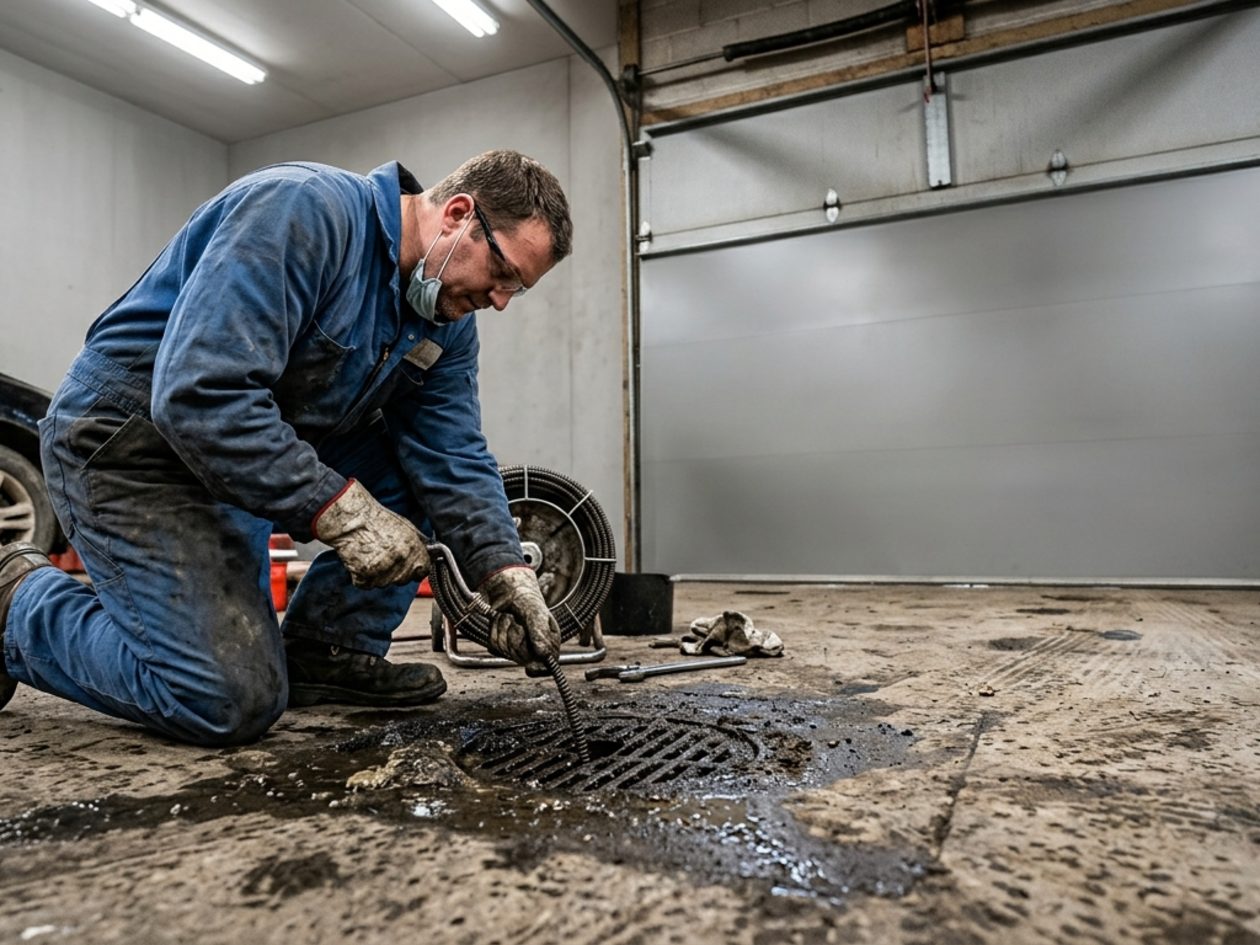
Kitchen and floor drain blockages in both houses and commercial premises.
See details →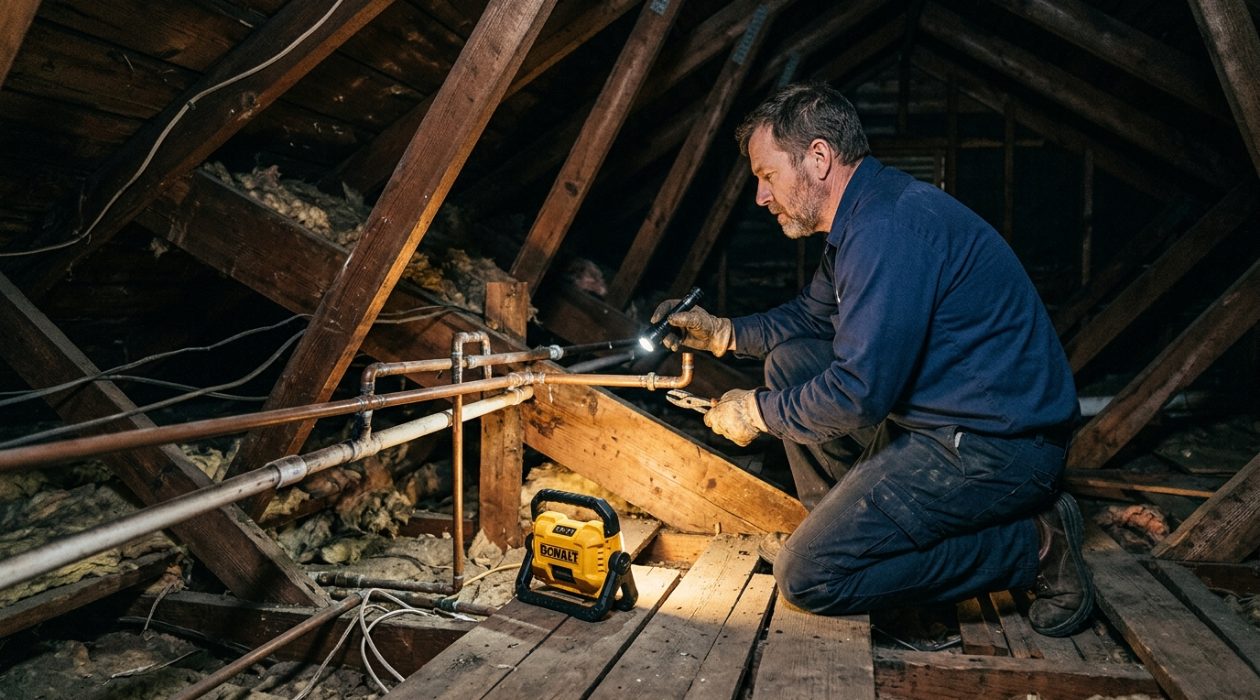
A small town entirely surrounded by Greeley, with a mix of houses and storefronts on the same few blocks, and different rules for each.
(970) 973-0235Garden City is a genuine municipality of a few blocks, completely enclosed by Greeley, and its defining plumbing characteristic is how tightly residential and commercial property sit together. A house, a bar, a small retail unit and a service business can share a single block and a single era of infrastructure.
That matters because commercial and residential plumbing are held to different standards even when the buildings are the same age and on the same line. A commercial kitchen needs a grease interceptor and a higher-hazard backflow assembly. A bar has floor drains and ice machine connections that a house never has. A mixed-use building where someone has converted a shopfront to a flat, or the reverse, frequently has plumbing that no longer matches its use.
The housing itself skews older, mid-century and earlier, which brings the familiar Weld County set: galvanized supply narrowing from the inside, clay or early cast iron laterals, and cast iron stacks well into their second half.
The practical upshot is that we ask what a building is used for, not just how old it is. On these blocks the two answers are often unrelated.
Tell us the use, not just the address. It changes the rules.
A commercial kitchen is not a domestic kitchen with more sinks. The single biggest difference is grease, and the single most commonly neglected piece of equipment is the interceptor.
A grease interceptor works by slowing flow so fats float and solids settle, letting relatively clean water pass to the sewer. It only works while it has capacity. Once the grease layer is deep enough, everything passes straight through and into the line, which is when a kitchen starts backing up every few weeks and nobody understands why, because the interceptor is technically present.
Pumping on a schedule rather than on symptoms is the whole answer, and the schedule depends on volume rather than on the calendar. A busy kitchen may need it monthly.
Floor drains are the other commercial-specific item. They rely on trap seals that dry out in low-use areas and let sewer gas into the room, and they collect debris that a domestic drain never sees. And ice machines, dishwashers and beverage lines all need proper air gaps or backflow protection, which is exactly the sort of thing that gets improvised during a fit-out and found during an inspection.
We do this work as well as residential, which on these blocks is frequently the same visit.
Interceptors, floor drains, backflow and fit-out plumbing.
 Pump on a scheduleA full interceptor passes grease straight through. It is present and doing nothing.
The most awkward buildings on these blocks are the converted ones: a shop that became a flat, a house that became an office, a garage that became a workshop with a sink and a toilet added at some point by somebody.
The recurring problems are consistent. Drain sizing and grade that suited the original use but not the new one, a fixture added onto a line that has neither the diameter nor the fall to carry it. Venting that was adequate for two fixtures and is now serving five, producing gurgling traps and intermittent smells that nobody can source. Backflow protection that matches the old use and not the current hazard class, which is a genuine compliance problem rather than a technicality. And supply capacity, where a half-inch service that was fine for a house cannot feed a commercial demand.
None of that is unfixable, but all of it is worth knowing before you commit to a change of use or take on a lease. A survey is a short visit and it regularly changes what a project costs.
If you have inherited a building where the plumbing clearly evolved rather than being designed, we can map what is actually there.
Evolved, not designed Converted buildings usually have plumbing added in layers. Worth mapping before you rely on it.
Garden City is minutes from anywhere in Greeley, so emergency response here is about as fast as we get. If water is coming into a building, shut the main off and call.
For commercial premises, tell us your trading hours when you book; we would rather work around them than shut you down for an afternoon.
Kitchen and floor drain blockages in both houses and commercial premises.
See details →Grease-glazed commercial lines that cabling only bores a hole through.
See details →Testing, including higher-hazard commercial assemblies.
See details →Galvanized supply replaced in older residential and mixed-use buildings.
See details →Establishing what is actually under a building whose plumbing evolved.
See details →24/7 dispatch, and close enough that response time is rarely the problem.
See details →Immediately around it, with high pressure and heavy irrigation.
Plumbers here →Just south, on its own utility with a high water table.
Plumbers here →A short distance east, with the oldest laterals in the city.
Plumbers here →Yes, and it is one of the shortest runs in our whole coverage area, it sits entirely inside Greeley. Dispatch is answered around the clock, and response here is comparable to central Greeley.
Yes. On these blocks the two frequently sit side by side, and we work on both: grease interceptors, floor drains, commercial backflow assemblies, fit-out plumbing and small commercial repairs, as well as ordinary house work.
On a schedule set by volume rather than by the calendar. A busy kitchen may need it monthly; a low-volume premises far less often. The failure mode is important to understand: once the grease layer is deep enough, everything passes straight through into the line, so the interceptor is present and doing nothing while your drains start backing up.
Almost always grease in the line downstream, and usually an interceptor that is past capacity. Cabling clears a channel and the line closes again. Hydro jetting scours the pipe walls properly, and pumping the interceptor on a real schedule stops it recurring.
The trap under a floor drain dries out in low-use areas and stops sealing, letting sewer gas straight into the room. Pouring water down it usually solves it within a day. If it persists, the trap may be cracked or the smell is coming from a failed joint nearby, which is common in older cast iron.
Drain diameter and fall for the new fixture layout, venting capacity for the new fixture count, supply size for the new demand, and backflow protection appropriate to the new use. All four are cheap to establish now and expensive to discover after the work is done.
Often, yes. Hazard classification depends on use, and a connection that was adequately protected as a shop may need a reduced pressure zone assembly as a food premises. It is a compliance matter rather than a preference, and a change of use is exactly when it gets missed.
Where we can, yes, and for anything that means shutting water off to a commercial premises we would rather schedule around you than close you for an afternoon. Tell us your hours when you book and we will work with them.
It is very common in converted buildings and it is not automatically a problem, but it is worth mapping. Layered additions produce undersized runs, marginal venting and improvised connections that work until they do not. A survey establishes what you actually have.
Yes, every hour of every day. Garden City is minutes away. If water is entering a building, shut the main off first, then call, and for a commercial premises tell us on the phone if there is stock or equipment at risk, because it changes how we prioritize.
Commercial premises? Tell us your trading hours.
Residential and small commercial plumbing across Garden City.
(970) 973-0235Answered 24 hours a day, seven days a week, every week of the year.