Sump Pump Repair & Installation
Duty-rated pumps, check valves and battery backup for pits that run all season.
See details →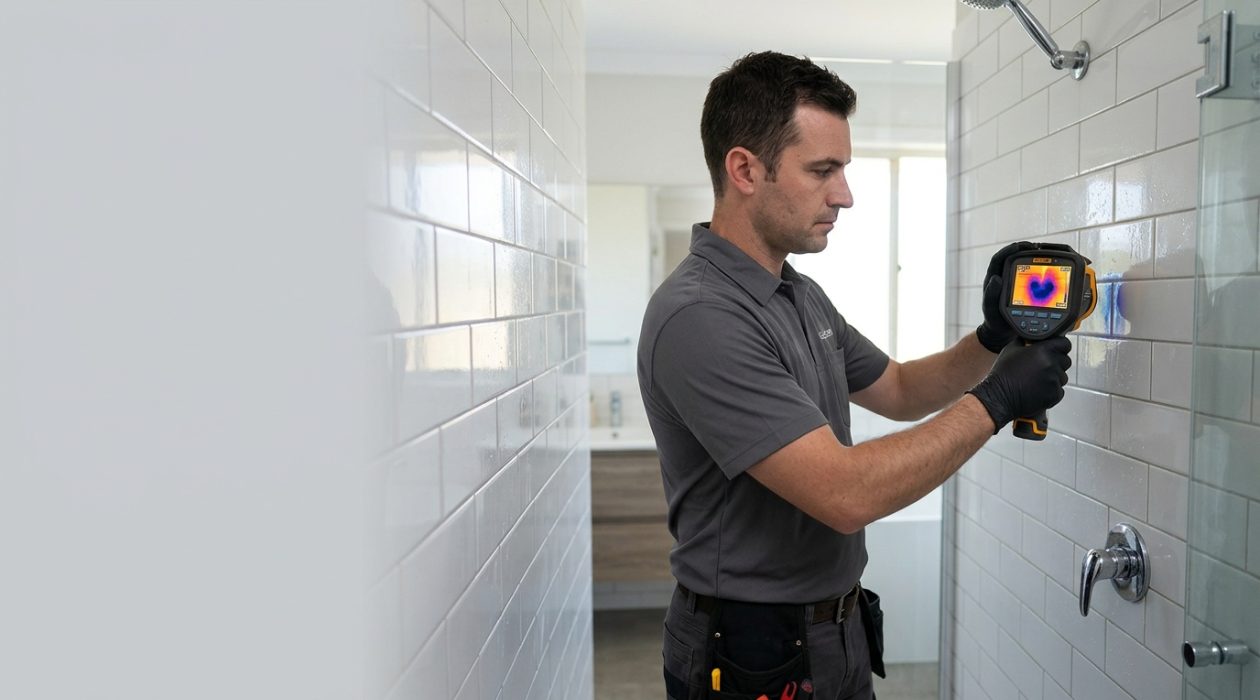
Closer to the river bottom the ground stays wet, sump pumps run more, and drainage that would be fine anywhere else is marginal here.
(970) 973-0235The eastern side of the city sits lower and closer to the Cache la Poudre and South Platte bottoms, and the groundwater reflects it. In wetter years the water table in parts of East Greeley sits high enough that basements are permanently damp rather than occasionally wet, and sump pumps that would idle all year elsewhere run through the summer.
That single fact drives most of the local work. A sump pump here does not fail from age alone; it fails from hours. A pump rated for intermittent duty running several cycles an hour for months burns through its service life in a fraction of the expected time, and homeowners are frequently surprised to be replacing a pump five years after the last one.
It also affects the drainage side. Older clay laterals in saturated ground take on groundwater through the same joints that let roots in: infiltration, in the trade, and that adds continuous flow to a line that may already be restricted. It is a common reason a lateral that cameras as only mildly rooted still backs up.
And it affects the structure. Persistent moisture against a foundation finds every crack, and a plumbing leak in a house that is already damp is genuinely hard to distinguish from groundwater without proper testing.
None of this makes East Greeley a bad place to own a house. It makes it a place where the below-grade systems need respect and a maintenance schedule.
We test to separate a plumbing leak from groundwater.
The pump that comes with a house, or the cheapest one on the shelf, is specified for a pit that runs occasionally. In East Greeley that specification is wrong.
What matters here is duty rating and build. A cast iron pump body dissipates heat far better than a plastic one, which matters enormously in a pump cycling frequently. A properly rated switch, a vertical float or a solid-state sensor rather than a tethered float that can catch on the pit wall, removes the most common failure mode. And sizing the pump to the actual inflow rather than to the pit is the difference between a unit that cycles sensibly and one that short-cycles itself apart.
The discharge side matters just as much. A check valve stops water in the discharge pipe falling back into the pit each cycle, which is the single most common cause of short-cycling. The discharge should terminate far enough from the foundation that the water does not simply return, and in a house with high groundwater that distance is further than most builders allowed for.
Battery backup is not optional here. A pump this busy that stops during a storm outage floods a basement within hours, not days.
Duty-rated pumps, check valves and battery backup.
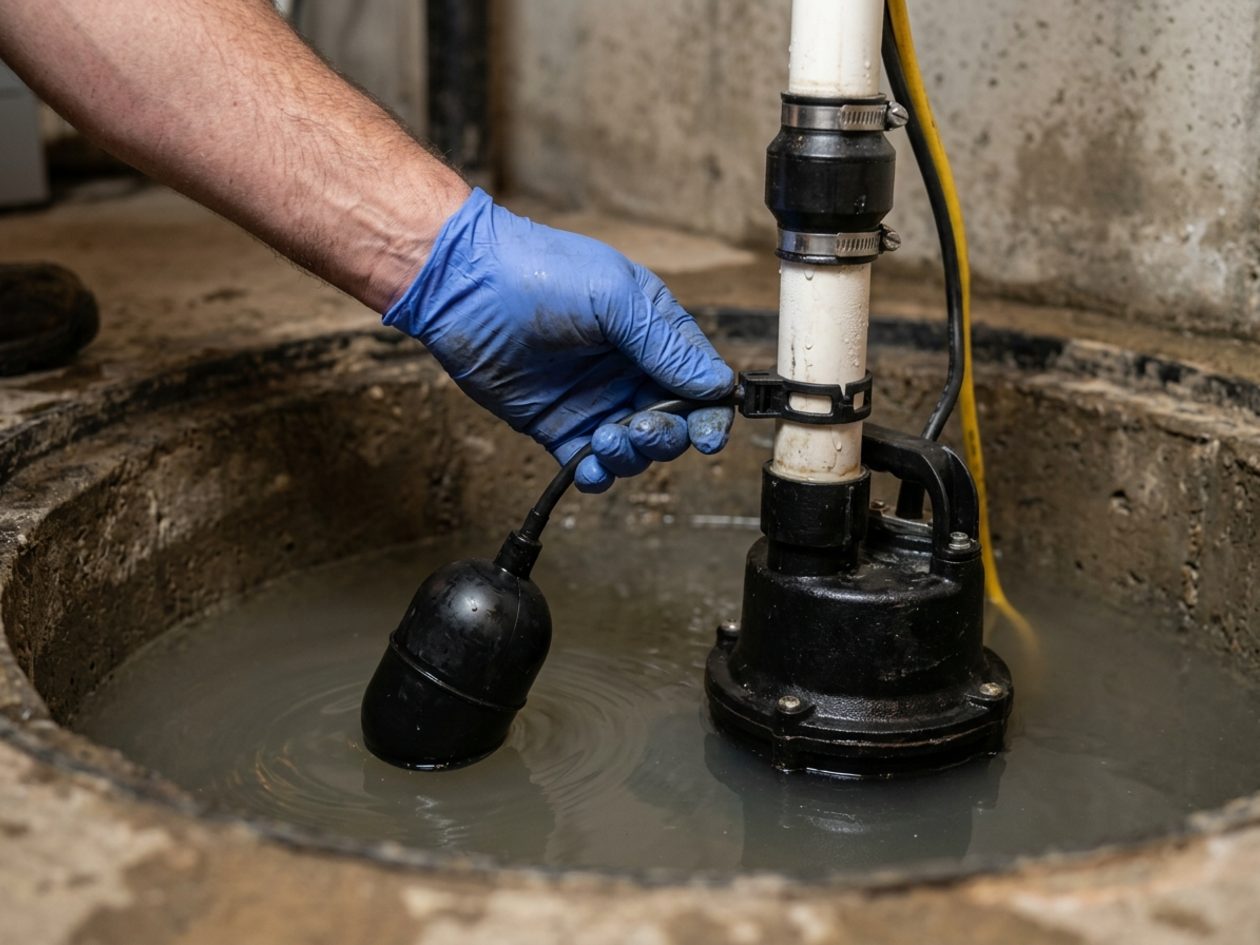 Cast iron, vertical floatA pump cycling several times an hour needs a body that sheds heat and a switch that cannot snag.
This is the diagnostic question that comes up more here than anywhere else in the city, and getting it wrong is expensive in both directions: excavating for a leak that was groundwater, or waterproofing a foundation when a supply line was quietly running.
The first test costs nothing. Shut every fixture and appliance in the house, then watch the water meter. Any movement over fifteen or twenty minutes means water is leaving the supply system somewhere. No movement means the supply side is intact and you are looking at groundwater, drainage, or a drain-side leak.
The second is timing. Groundwater tracks weather and season: wet after rain and snowmelt, better in dry spells. A supply leak does not care what the weather is doing and is remarkably constant.
The third is the water itself. Groundwater carries soil and smells of earth. A supply leak is clean. A drain leak smells like what goes down the drain.
When those do not settle it, we use acoustic listening and pressure isolation to locate a supply leak without digging, and dye testing on the drain side. It is a short visit and it tends to save a very large amount of money.
Acoustic and pressure testing before anyone digs.
Start at the meter Everything off, watch the dial. Movement means a supply leak; stillness points at groundwater.
Test the sump pump with a bucket, confirm the check valve holds, walk outside and look at where the discharge lands, and check that the ground still slopes away from the foundation, settlement changes that over the years and nobody notices.
Ten minutes in April is the whole preventive program for a house on this ground.
Duty-rated pumps, check valves and battery backup for pits that run all season.
See details →Separating a genuine supply leak from groundwater before anyone excavates.
See details →Basement backups, answered around the clock.
See details →Finding infiltration and root intrusion in older clay laterals.
See details →Lateral repair and replacement when infiltration is overwhelming the line.
See details →24/7 dispatch for water arriving faster than you can manage it.
See details →Mid-century ranches with the same basement concerns on slightly higher ground.
Plumbers here →Older laterals and mature tree roots a short distance west.
Plumbers here →East along Highway 34, where properties are more likely to be on wells.
Plumbers here →Because the water table on this side of the city sits higher, particularly in wetter years and after snowmelt. A pump here can cycle several times an hour for months at a time, which is a completely different duty than the same pump would see a few miles west. It is normal for the area, but it means the pump wears out far faster.
Considerably more often than the seven-to-ten-year general figure. A hard-working pit can go through a builder-grade pump in four or five years. Choosing a cast iron duty-rated pump with a vertical float switch is the practical answer, and it costs meaningfully less over a decade than replacing cheap pumps repeatedly.
Start at the water meter: shut everything off and watch it for twenty minutes. Movement means a supply leak. Then look at timing: groundwater tracks rain and snowmelt, a supply leak is constant regardless of weather. Groundwater is muddy and smells of earth; a supply leak is clean.
Groundwater entering your sewer lateral through joints and cracks. In saturated ground an older clay line can take on a continuous flow of groundwater it was never meant to carry, which contributes to backups even when the line is only lightly rooted. A camera inspection will show it clearly.
Far enough from the foundation that the water does not simply soak back down to the pit, and never into the sanitary sewer. In high groundwater areas the required distance is greater than builders typically allowed for, and extending a discharge line is one of the cheapest improvements available.
In this part of the city, yes. A pump cycling this often will flood a basement within hours of stopping, and the outages that stop it happen during exactly the storms that make it run hardest. It is the single most cost-effective protection for a below-grade room.
Persistent high humidity from groundwater moving through the slab and walls, or a dried-out floor drain trap letting sewer gas in. Try pouring water down the floor drain first; it is free and it solves a surprising share of basement smells. If it persists, we can check for a slab leak or a failed drain joint.
The pipe itself is no more fragile, but saturated ground moves more, which encourages joint offsets, and wet soil around a jointed pipe means both roots and groundwater have easy access. Older laterals on this side of town are worth a camera inspection even without symptoms.
In most cases, yes. Acoustic listening equipment and pressure isolation testing locate supply leaks to within a small area before anything is excavated, and dye testing handles the drain side. Given how much of the diagnosis here is distinguishing leaks from groundwater, doing this properly first is genuinely worth it.
Yes, dispatch is answered every hour of every day. If a pump has failed and water is rising, shut off any water use in the house, keep people away from anything electrical near standing water, and call. It is a short run from central Greeley.
Damp basement? Let us test before you spend money on the wrong fix.
Duty-rated sump work, leak detection and 24/7 response in East Greeley.
(970) 973-0235Answered 24 hours a day, seven days a week, every week of the year.