Well Pump & Pressure Tank Service
Pumps, pressure tanks, switches and control boxes, diagnosed cheapest-first.
See details →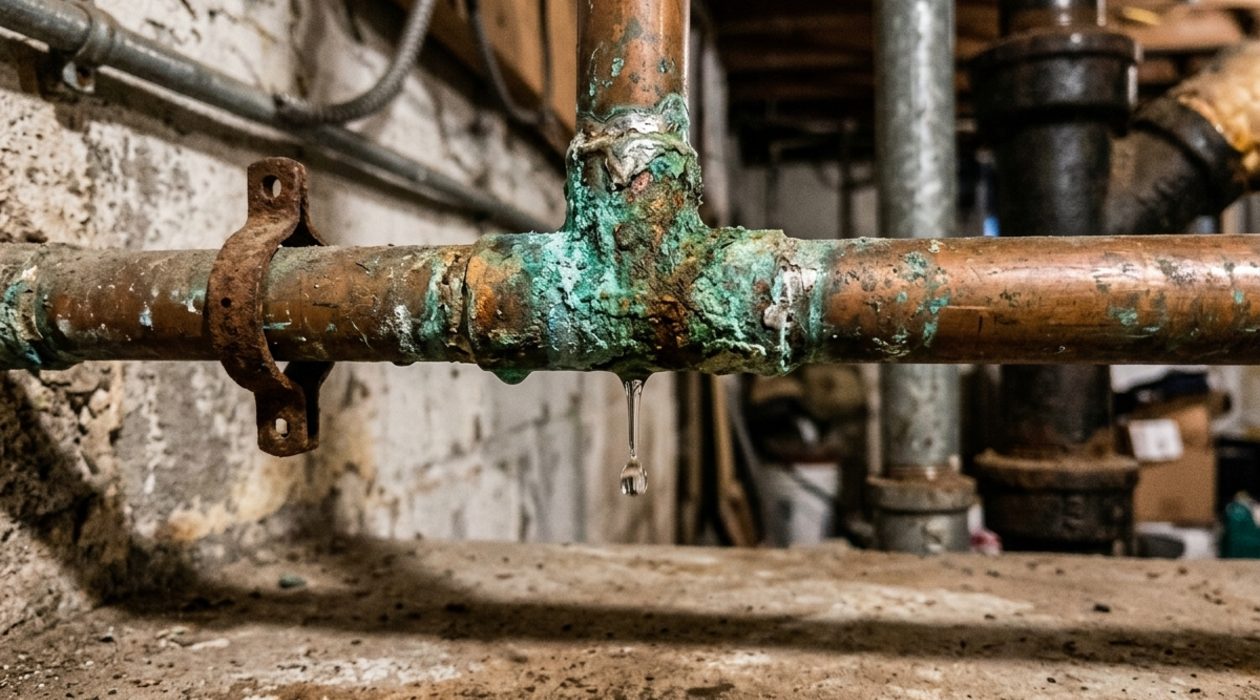
Wells, pressure tanks and long service lines. Out here there is no utility to call when the pressure drops, the whole system belongs to the property.
(970) 973-0235The single most important difference about plumbing on a rural north Weld property is ownership. On municipal water, the utility is responsible up to the meter and the pressure arriving at your house is their problem. On a well, everything is yours: the pump down the casing, the pressure tank, the switch, the wiring, the line to the house, and the quality of what comes out.
That is not worse, plenty of well systems run for decades with minimal attention, but it changes the posture. You are operating a small water utility, and it pays to understand it rather than treat it as a tap that works.
Three things follow. First, know your normal: what pressure the system runs at, how often the pump cycles, what the water tastes like. Deviations from normal are how you catch a problem early.
Second, expect to maintain the pressure tank. It is the component most likely to fail and the cheapest to replace, and a failed tank quietly destroys the expensive component: the pump.
Third, test the water. Aquifer chemistry out here varies from property to property, and hardness, iron and nitrates are all realistic findings. You cannot treat what you have not measured.
Pumps, tanks, switches and water testing.
A pressure tank stores water under an air cushion so the pump does not start every time you open a tap. When the internal bladder fails, the tank fills with water, loses its reserve, and the pump begins cycling on and off every few seconds under load. That rapid cycling is the most common well complaint there is, and every cycle is a start-up load on a motor that is expensive to replace. A failed tank left alone is a pump failure in waiting.
A submersible pump sits far down the casing and typically lasts a long time: often well over a decade, but when it goes the symptoms are unambiguous: no water at all, or pressure that collapses under any real demand.
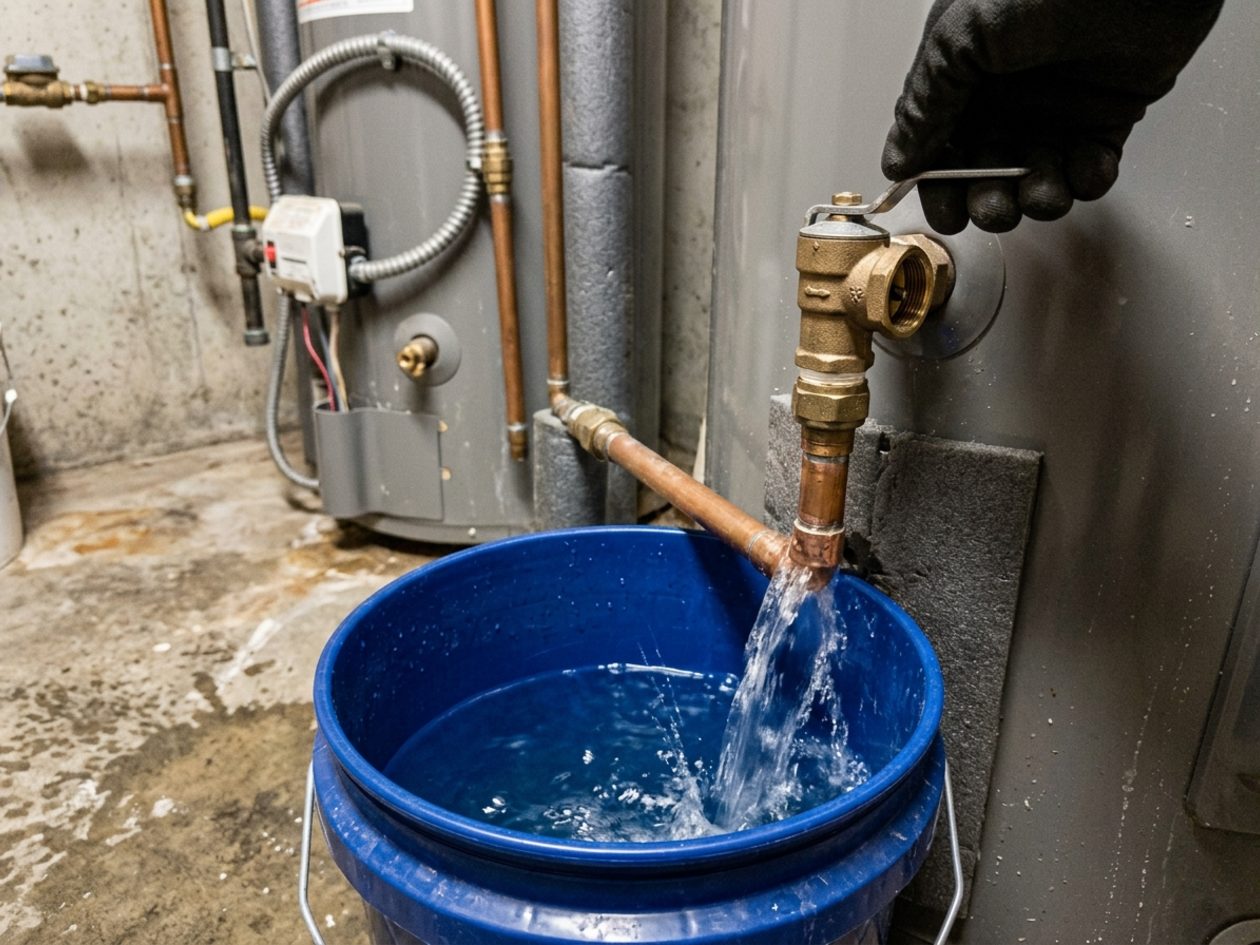
Before assuming the pump, the cheap suspects deserve checking. The pressure switch fails and is inexpensive. The control box on a three-wire system has a start capacitor that fails. A tripped breaker or a corroded connection accounts for a genuine share of dead systems.
Diagnosing in that order: switch, box, wiring, tank, then pump, is the difference between a modest repair bill and pulling a pump that was never the problem.
We check the inexpensive causes before touching the pump.
 Check cheap things firstSwitch, control box, wiring, tank, then pump. Pulling a good pump is an expensive way to learn that order.
Rural winter plumbing failures happen in the places nobody visits daily. The house is occupied and warm; the shop, the barn, the stock tank line and the well house are not.
The vulnerable list is consistent. Well house or pit plumbing, where the pressure tank and switch may sit in a barely heated enclosure. Long buried runs from a well head to a house, which are usually fine unless they were laid shallow or the ground has eroded. Outbuilding supply, which should be drained rather than insulated for the winter unless the building is genuinely heated. Stock tank lines and their heaters, which are the highest-failure item on any working property. And heat tape, which has a finite life and fails silently, a tape that worked last winter is not evidence it works this winter.
The single best rural winterization habit is to walk every building and every exposed run in October with a list, rather than trusting memory. Drain what can be drained. Verify heat tape actually draws current. Check that insulation has not sagged or been nested in by rodents, which is extremely common.
If something does freeze, never use an open flame. Warm gradually, open the tap, and if a line has already split, isolate it and call before the thaw.
House, outbuildings, well house and stock lines.
Heat tape fails silently Working last winter is not evidence it works this winter. Verify it draws current.
Rural runs on two-lane roads take longer, particularly in winter, and we would rather tell you a realistic window than an optimistic one. For scheduled work the distance makes no practical difference.
Because a trip out here costs time either way, it is worth batching: the well system, the water heater, the outbuildings and anything you have been meaning to sort, all in one visit.
Pumps, pressure tanks, switches and control boxes, diagnosed cheapest-first.
See details →Treatment specified against an actual water test, not a sales assumption.
See details →Hardness treatment where the numbers justify it.
See details →Freeze work across houses, well houses, outbuildings and stock lines.
See details →Replacements on rural properties, including propane and non-standard venting.
See details →Long service line repairs between well head and building.
See details →Yes, regularly. Rural work is normal for us and distance is expected. Runs take longer on two-lane roads, particularly in winter, and we will give you a realistic window rather than an optimistic one. For scheduled work the distance makes no practical difference.
A failed pressure tank bladder, almost every time. The tank stores water under an air cushion so the pump does not start for every tap; when the bladder fails the tank fills with water and the pump short-cycles. Each cycle is a start-up load on an expensive motor, so a failed tank left alone becomes a pump failure.
A submersible pump often runs well over a decade, sometimes considerably more. What shortens that life dramatically is running on a failed pressure tank, because the constant starting is far harder on the motor than continuous running. Looking after the cheap component protects the expensive one.
Not necessarily, and it is worth checking the cheap causes first. A tripped breaker, a failed pressure switch, a corroded connection, or a failed start capacitor in the control box on a three-wire system all produce no water and all cost a fraction of a pump. We diagnose in that order rather than pulling a pump on an assumption.
Yes, and periodically rather than once. Aquifer chemistry varies property to property out here, and hardness, iron, and nitrates are all realistic findings. Nitrates in particular matter in agricultural areas and are worth knowing about. You cannot sensibly specify treatment without a test.
They do different jobs. A softener removes hardness minerals and stops scale. A filter addresses sediment, iron, taste and odour depending on the media. Which you need: possibly both, possibly neither, depends on what the water test actually shows. Be wary of anything sold as doing everything.
Anything in an unheated outbuilding, the well house or pit if it is barely heated, stock tank lines and their heaters, and any exposed run relying on heat tape. The house is usually the safest place on the property because it is occupied and warm.
Verify it actually draws current rather than assuming. Heat tape has a finite service life and fails silently, working last winter is not evidence it works this winter. It is also worth checking that insulation has not sagged or been nested in by rodents, which is extremely common out here.
Never use a torch or open flame. Warm the area gradually with a hair dryer or space heater and open the tap so melting water can escape. If you cannot locate the frozen section, or you suspect it has already split, shut off the supply to that building and call before it thaws, the release is what causes the damage.
Please do batch them; it is the efficient way to use a rural call-out. The well system, the water heater, outbuilding plumbing, fixtures you have been meaning to sort. One trip, one visit, and the travel time is spread across everything rather than charged against one small job.
Batch the jobs into one visit; it is the efficient way out here.
Well pumps, pressure tanks, treatment and freeze work across rural north Weld.
(970) 973-0235Answered 24 hours a day, seven days a week, every week of the year.